In today's competitive business environment, logistics optimization has become a critical factor for companies looking to reduce costs, improve efficiency, and enhance customer satisfaction. Whether you're a small business or a large enterprise, implementing the right strategies can significantly impact your bottom line.
1. Route Optimization
One of the most effective ways to optimize logistics is through route planning. Advanced routing software can analyze multiple variables including:
- Traffic patterns
- Weather conditions
- Vehicle capacity
- Delivery windows
At Disha Trans Logistics, we've reduced fuel costs by 18% and improved on-time delivery rates by implementing dynamic routing algorithms that adjust in real-time to changing conditions.
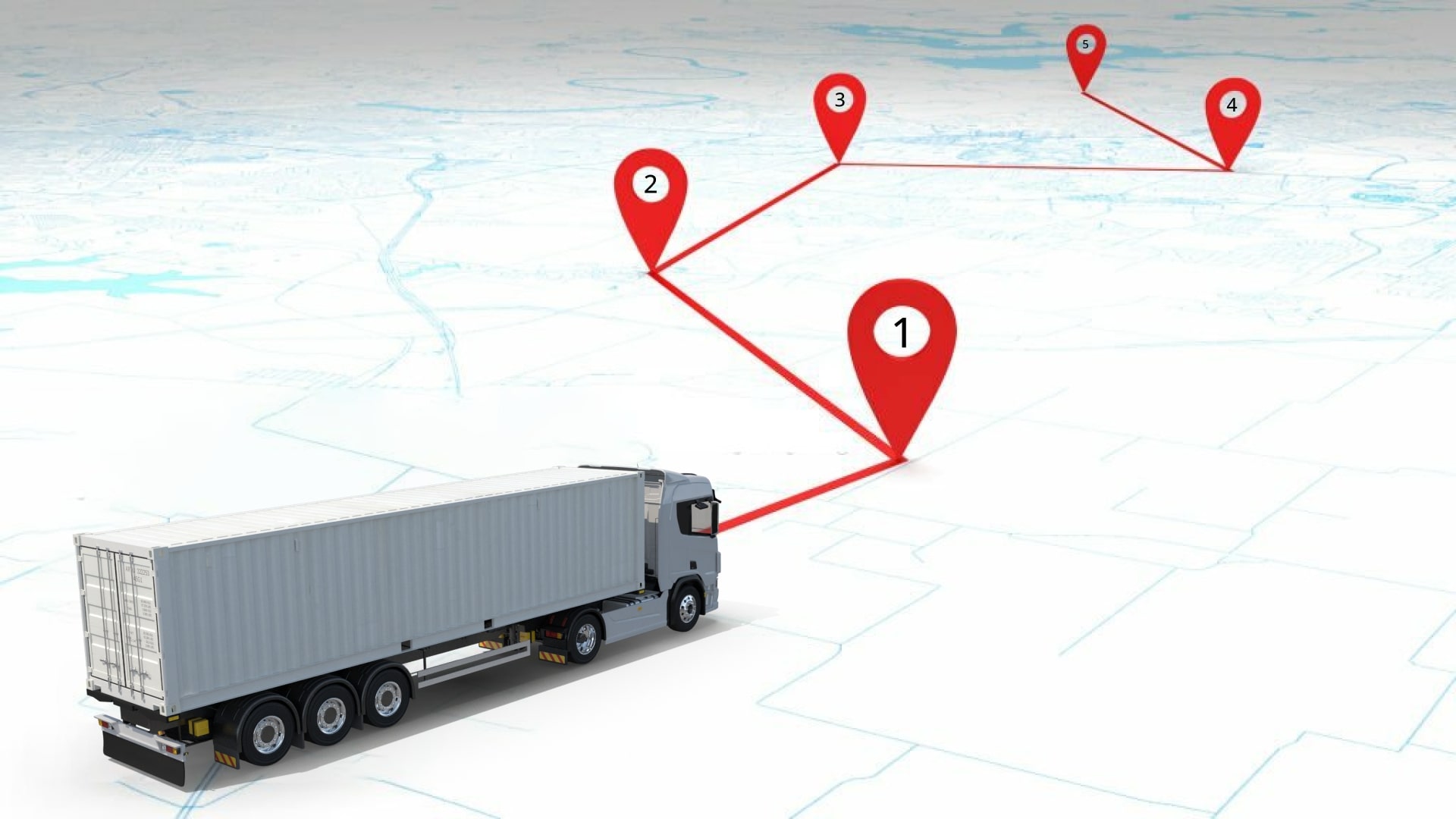
Our route optimization in action
2. Load Consolidation
Maximizing vehicle capacity is crucial for cost-effective transportation. Consider these consolidation strategies:
- Less-than-Truckload (LTL) to Full Truckload (FTL): Combine multiple LTL shipments into full truckloads whenever possible.
- Backhaul Opportunities: Utilize return trips by finding loads that need transportation in the opposite direction.
- Cross-Docking: Eliminate storage time by transferring shipments directly from incoming to outgoing vehicles.
3. Inventory Management
Strategic inventory placement can dramatically reduce transportation costs and delivery times:
| Strategy | Benefit | Implementation |
|---|---|---|
| Demand Forecasting | Reduces excess inventory | Use historical data and AI predictions |
| Regional Warehousing | Faster delivery to customers | Position stock closer to demand centers |
| Vendor Managed Inventory | Reduces stockouts | Allow suppliers to monitor and replenish |
4. Technology Integration
Modern logistics relies on technology to provide visibility and control:
Real-time Tracking
GPS-enabled vehicles provide shipment visibility to all stakeholders.
Automation
Automated sorting, loading, and documentation reduce errors.
Analytics
Data-driven insights identify inefficiencies and opportunities.
5. Sustainable Practices
Eco-friendly logistics not only benefit the environment but often reduce costs:
- Fuel-efficient vehicles: Our fleet includes trucks with the latest fuel-saving technologies.
- Alternative fuels: Exploring electric and hybrid options for urban deliveries.
- Packaging optimization: Right-sizing packaging reduces weight and waste.
"Logistics optimization isn't about cutting corners—it's about working smarter to deliver better value to customers while improving operational efficiency." - Harshad M Shah, Director, Disha Trans Logistics
6. Partner Selection
Choosing the right logistics partner can make all the difference. Look for:
- Proven track record in your industry.
- Technology capabilities that match your needs.
- Transparent pricing and communication.
- Scalability to grow with your business.
At Disha Trans Logistics, we work closely with clients to develop customized solutions that address their specific challenges and goals.
Key Takeaways
- Route optimization can reduce costs by 15-30% while improving service levels.
- Load consolidation maximizes asset utilization and minimizes empty miles.
- Strategic inventory placement balances service and cost objectives.
- Technology provides the visibility needed for continuous improvement.
- Sustainability initiatives often align with cost reduction goals.
-By implementing these logistics optimization strategies, businesses can achieve significant competitive advantages in today's demanding marketplace.