The freight transportation industry is the backbone of global commerce, but it faces numerous challenges that impact efficiency, costs, and reliability. In this article, we examine the top five challenges currently facing freight transport companies and how industry leaders like Disha Trans Logistics are addressing them.
1. Rising Fuel Costs
Fuel prices remain one of the most volatile and significant costs in freight transportation. Factors affecting fuel costs include:
- Global oil price fluctuations
- Geopolitical tensions
- Environmental regulations
- Taxation policies
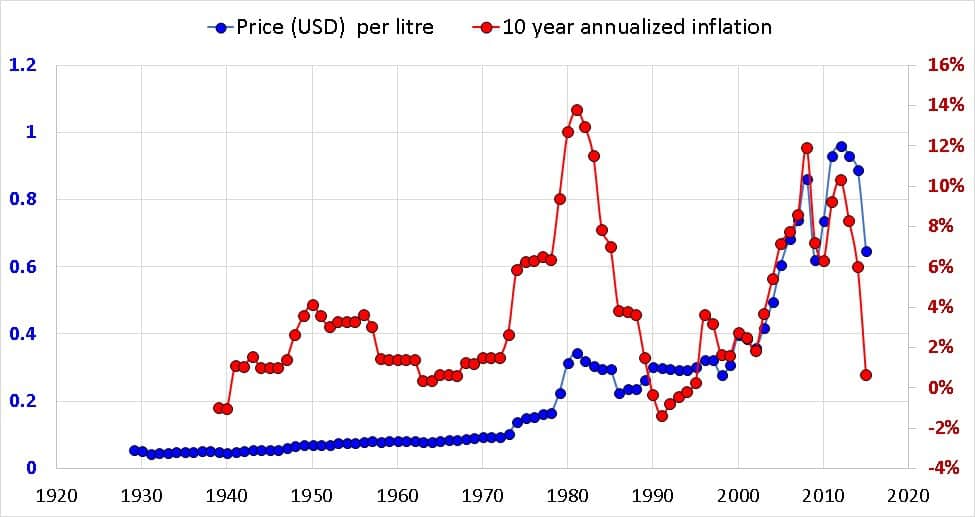
Historical fuel cost trends showing volatility
Mitigation Strategies:
- Fuel-efficient vehicles: Investing in modern trucks with better mileage
- Route optimization: Reducing unnecessary miles through smart routing
- Fuel surcharges: Implementing transparent fuel cost adjustment mechanisms
- Alternative fuels: Exploring CNG and electric options for appropriate routes
2. Driver Shortage
The trucking industry faces a growing shortage of qualified drivers due to:
- Aging workforce with many retirements
- Difficulty attracting younger drivers
- Stringent licensing requirements
- Demanding lifestyle with long hours away from home
Addressing the Shortage:
Training Programs
Investing in driver training and apprenticeship programs
Improved Schedules
Creating more predictable home time schedules
Competitive Pay
Offering attractive compensation packages
Work Environment
Improving working conditions and equipment
3. Infrastructure Challenges
India's road infrastructure presents several challenges for freight transport:
| Issue | Impact | Solution |
|---|---|---|
| Congested roads | Delays and increased fuel consumption | Alternative routing, night transport |
| Poor road conditions | Vehicle wear and tear, safety issues | Regular maintenance schedules |
| Limited parking | Driver fatigue, security risks | Partner truck stops, secure yards |
| Toll bottlenecks | Delivery delays | FASTag implementation, route planning |
4. Regulatory Compliance
The freight industry faces increasing regulatory requirements:
- Safety regulations: ELD mandates, hours-of-service rules
- Environmental standards: Emission controls, vehicle specifications
- Taxation: GST, toll charges, state-specific regulations
- Documentation: E-way bills, transport permits
"Navigating the complex regulatory landscape requires dedicated resources and continuous education. At Disha Trans Logistics, we have a compliance team that stays ahead of regulatory changes to ensure seamless operations for our clients." - Compliance Officer, Disha Trans Logistics
Compliance Management:
- Dedicated compliance team monitoring regulatory changes
- Regular training for drivers and operations staff
- Investment in compliance technology (ELDs, documentation systems)
- Building relationships with regulatory authorities
5. Technology Integration
While technology offers solutions, its implementation presents challenges:
Implementation Costs
High upfront investment in TMS, tracking systems, and automation
Staff Training
Need to train personnel on new systems and processes
Data Security
Protecting sensitive shipment and customer data
System Integration
Connecting new technologies with legacy systems
Overcoming Freight Transport Challenges
While the freight transportation industry faces significant challenges, innovative companies are finding ways to adapt and thrive. Key strategies include:
- Investing in fuel-efficient technologies and alternative fuels
- Developing comprehensive driver recruitment and retention programs
- Advocating for infrastructure improvements while optimizing current networks
- Building robust compliance management systems
- Gradual, strategic implementation of transformative technologies
At Disha Trans Logistics, we view these challenges as opportunities to innovate and provide even better service to our clients. By addressing these issues head-on, we're building a more efficient, reliable, and sustainable freight transportation network for India's growing economy.