Every industry has unique logistics requirements. A pharmaceutical shipment needs strict temperature control and regulatory documentation. An e-commerce parcel needs speed and last-mile accuracy. An FMCG consignment needs predictable scheduling to match retail cycles. And manufacturing cargo often needs specialized handling for oversized or heavy equipment.
At Disha Trans Logistics, we've learned that treating all freight the same is one of the fastest ways to lose customers. In this article, we break down the four industries we specialize in and what tailored logistics actually looks like for each.
1. Medicaments & Pharmaceuticals
Pharmaceutical logistics is one of the most demanding categories in road transport. Every shipment carries a chain of requirements that must be met end-to-end:
- Temperature control: Many medicines require a narrow band between 2°C and 8°C throughout transit.
- Regulatory compliance: Documentation, permits, and chain-of-custody records must be maintained for every consignment.
- Tamper-proof handling: Sealed containers, monitored access, and trained personnel.
- Time sensitivity: Delays can mean product expiry or stockouts at hospitals and pharmacies.
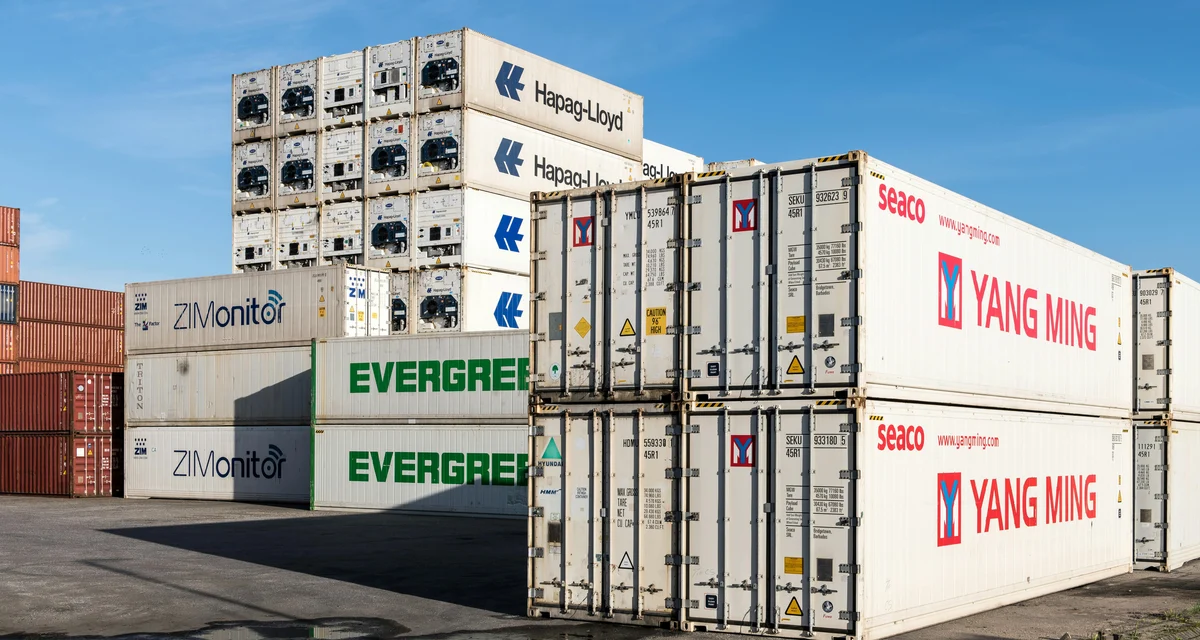
Temperature-controlled transport with strict regulatory compliance
How We Handle It
Our pharma logistics solutions include refrigerated vehicles for temperature-sensitive cargo, dedicated documentation teams for regulatory compliance, and route planning that prioritizes delivery windows over pure distance optimization.
2. FMCG — Fast-Moving Consumer Goods
FMCG logistics is a volume game with a strict timing discipline. Products move from factories to regional warehouses to distributors to retail shelves — often within days of leaving the production line.
What makes FMCG logistics demanding:
- Just-in-time delivery: Retailers operate on thin inventories and expect deliveries on fixed schedules.
- High volume, low margin: Every rupee saved on per-unit transport cost matters.
- Multi-drop routes: A single truck often serves multiple distributors in one trip.
- Seasonal peaks: Demand surges during festivals, monsoon, and year-end cycles.
How We Handle It
For FMCG clients we build fixed weekly route plans with consistent truck allocations, so distributors know when to expect deliveries. During peak seasons we scale up capacity with additional vehicles reserved specifically for FMCG clients.
3. E-commerce & Last-Mile Delivery
E-commerce logistics is the most customer-visible category in the industry. A single late delivery can cost a brand a repeat customer — and it happens on a scale of thousands of parcels per day.
Key requirements for e-commerce logistics:
- Real-time tracking: Customers expect live status updates from dispatch to doorstep.
- Fast transit times: Same-day or next-day delivery is now a baseline expectation in metro areas.
- Returns handling: Reverse logistics must be as smooth as forward delivery.
- Damage-free delivery: Packaging and loading practices directly affect customer satisfaction scores.
"In e-commerce, logistics is the product. The customer doesn't see your warehouse, your systems, or your team — they see the parcel arriving at their door. That moment defines their entire experience with your brand." - Harshad M Shah, Director, Disha Trans Logistics
4. Manufacturing & Industrial Cargo
Manufacturing logistics is the least glamorous and arguably the most complex category. It involves raw materials moving into plants, work-in-progress moving between facilities, and finished goods moving out to distributors or end customers.
What makes manufacturing logistics challenging:
Oversized Cargo
Heavy machinery, industrial equipment, and structural components need specialized trailers.
Load Integrity
Improperly secured cargo can shift during transit, risking damage and safety.
Production Scheduling
Delayed raw material shipments can halt an entire production line.
Site Access
Factory gates, loading docks, and plant layouts vary widely and require route planning.
How We Handle It
For manufacturing clients we deploy multi-axle trailers for heavy loads, provide route surveys before the first shipment, and coordinate delivery windows directly with plant managers to avoid production downtime.
Why Industry Specialization Matters
Generalist logistics companies try to serve all industries with one operating model. That works up to a point — until a pharma shipment needs a 4°C trailer, or a factory needs a multi-axle trailer for a 40-ton component, or an e-commerce brand needs same-day dispatch during a festival sale.
Industry-specialized logistics means:
Lower Risk
Correct handling for each cargo type, from temperature to weight distribution.
Better Timing
Routes and schedules built around each industry's delivery rhythms.
Cleaner Compliance
Documentation and permits tailored to each sector's regulatory requirements.
Key Takeaways
- Pharmaceutical logistics demands temperature control, regulatory documentation, and tamper-proof handling.
- FMCG logistics is built around just-in-time delivery and seasonal capacity planning.
- E-commerce logistics prioritizes speed, tracking, and painless returns.
- Manufacturing logistics requires specialized equipment and production-aligned scheduling.
- Industry-specific logistics reduces risk, improves delivery performance, and lowers total cost of ownership.
At Disha Trans Logistics, we don't treat every shipment the same. Each industry we serve gets a solution built for its specific requirements — because that's what reliable logistics actually means.